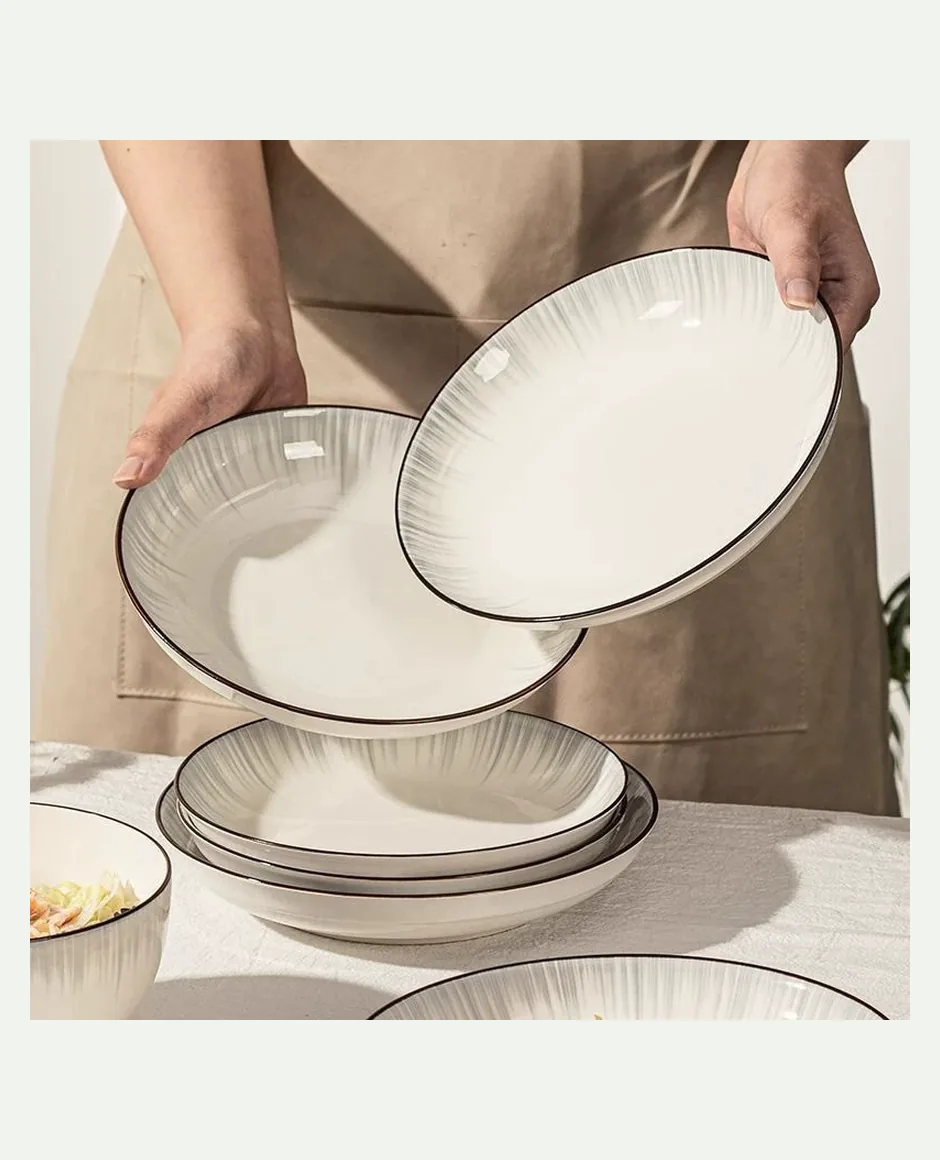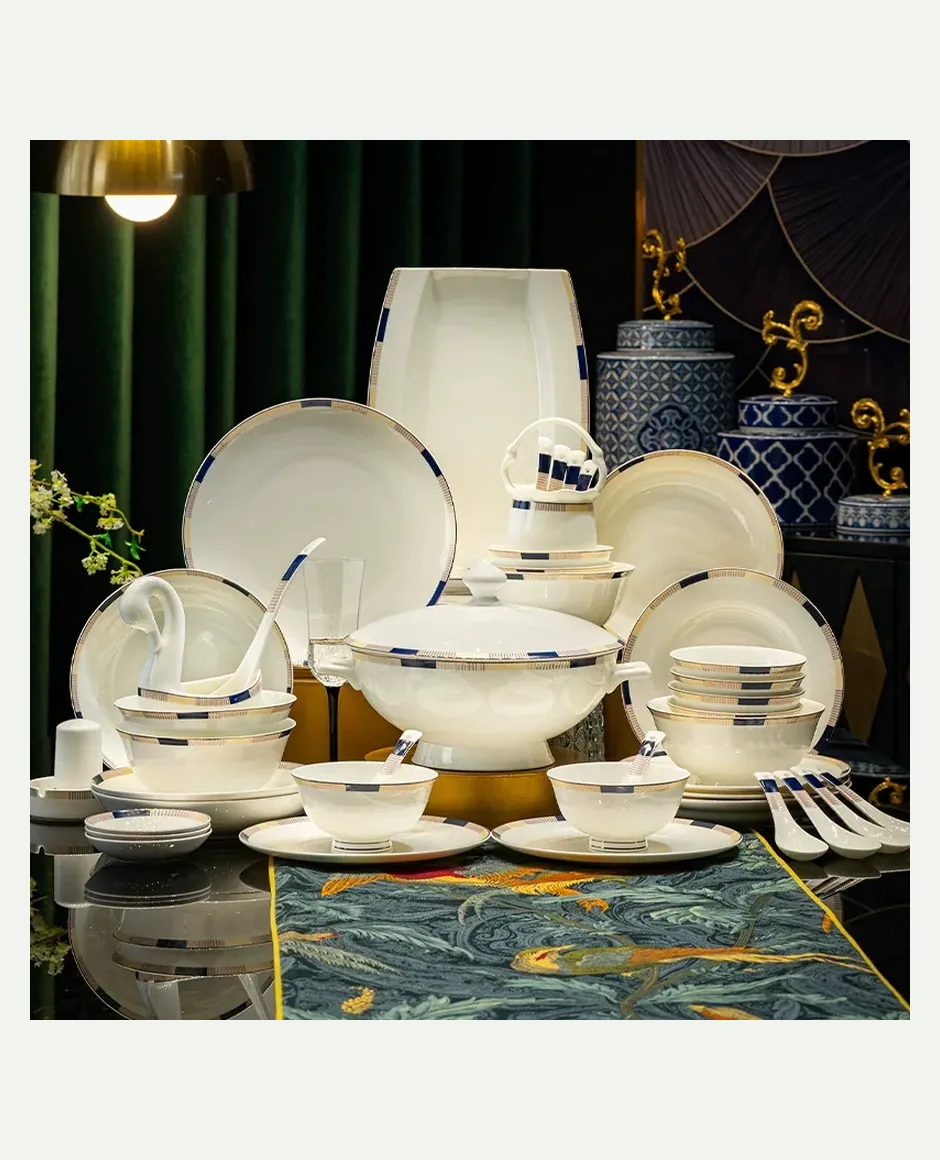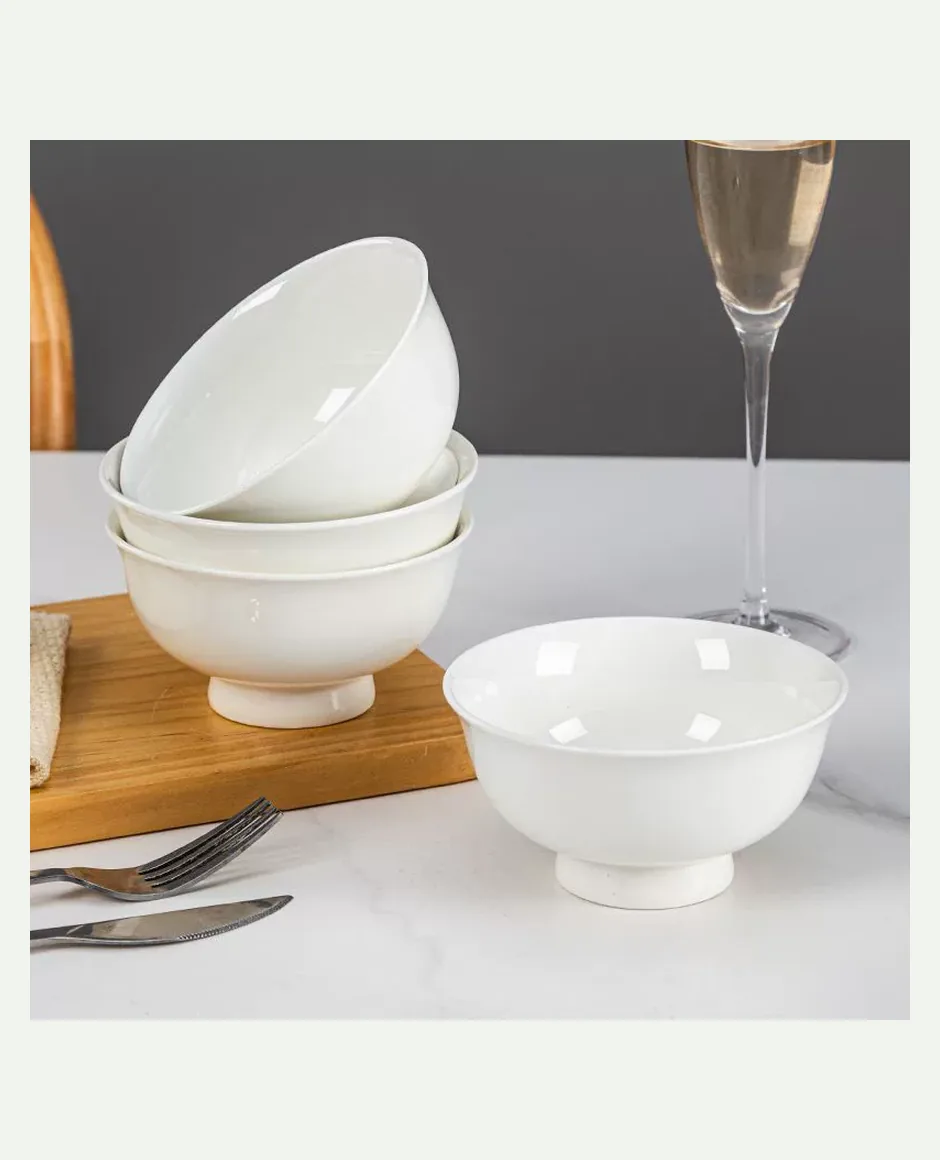
A buyer's guide to food-contact compliance and defect control for ceramic tableware: FDA and LFGB testing, AQL sampling, and pre-shipment inspection.
Ceramic tableware is a food-contact product. If glaze chemistry or firing goes wrong, the consequences reach your customer's kitchen, not just your warehouse. Buyers who treat quality control as a checkbox usually discover problems after the container has shipped, when returns, refunds and marketplace complaints are already in motion.
The practical answer is to build quality checks into the order itself: agree on the standard before production, test the glaze, and inspect the goods before they leave the factory. This guide covers the three levers that matter most for ceramic tableware imports: FDA and LFGB food-contact testing, AQL sampling, and pre-shipment inspection.
For ceramic tableware, the core safety question is heavy-metal release from the glaze, mainly lead and cadmium. In the United States, food-contact materials fall under FDA requirements. In Europe, LFGB, the German Food and Feed Code, is the benchmark many buyers specify, and it is generally regarded as the stricter of the two. If you sell into the EU, LFGB compliance is the safer target; if you sell into the US, FDA is the baseline.
Testing is done by accredited third-party laboratories. We can arrange FDA, LFGB and SGS food-contact testing on request and share the reports with you. Two practical notes: test the actual glaze and decoration you plan to order, since a report for a different finish proves nothing; and keep reports current, because buyers increasingly ask for documentation before listing a product.
Our glazes are formulated lead- and cadmium-free, which makes passing food-contact testing straightforward. Still, treat the test report as part of your purchase file, not an afterthought.
AQL, the Acceptable Quality Limit, is a statistical sampling method. Instead of checking every piece, an inspector draws a random sample from the batch and compares the number of defects found against an agreed limit. If the sample passes, the batch is accepted; if it fails, the batch is rejected or reworked.
For ceramic tableware, buyers commonly set AQL 2.5 for major defects and 4.0 for minor defects, though the right levels depend on your price point and channel. Major defects include chips, cracks, crazing and glaze failures that affect safety or function. Minor defects cover cosmetic issues such as slight color variation or small surface marks. Define both categories in writing before inspection so the inspector and the factory apply the same rules.
Because we quote one single USD unit price per SKU and accept MOQs from 1 piece, AQL levels are worth agreeing early, especially on custom and private-label programs where the finish is unique to you.
A pre-shipment inspection happens after production is complete and before the goods are packed for export. An inspector, either from our QC team or an independent agency you appoint, verifies quantity, appearance and function against your approved sample and specification. For ceramics, that means checking for chips, cracks, glaze imperfections and size variation, and confirming that each piece matches the approved finish.
The inspector also reviews packaging: export cartons, inner protection and labeling. Ceramics are fragile, and poor packing shows up as breakage at destination, which is a cost you carry, not the factory. Ask for photos or video of the inspection and keep a signed report with the shipment documents.
If you are working with our factories in Jingdezhen, Chaozhou, Liling or Jingshan, the inspection can be scheduled against the production completion date so it does not delay the shipment.
Quality control works best when it is planned into the schedule. Samples are typically made in about 7-10 days, and custom orders take 20-35 days after sample approval. Use the sample stage to lock the glaze, decoration and finish, and keep the approved sample as the reference for inspection. In-stock orders ship in 7-15 days, so pre-shipment inspection should be booked as soon as the order is confirmed.
Put your quality terms in the contract: the food-contact standard you require, the AQL levels, the defect definitions and who pays for inspection. Specify that test reports will be provided on request, and confirm the HS classification for customs, 6911 for porcelain and 6912 for other ceramic tableware.
None of this is complicated, but it has to be agreed before production starts. Buyers who define the standard, test the glaze and inspect before shipment get a supply chain they can scale. Buyers who skip those steps get surprises in the warehouse.
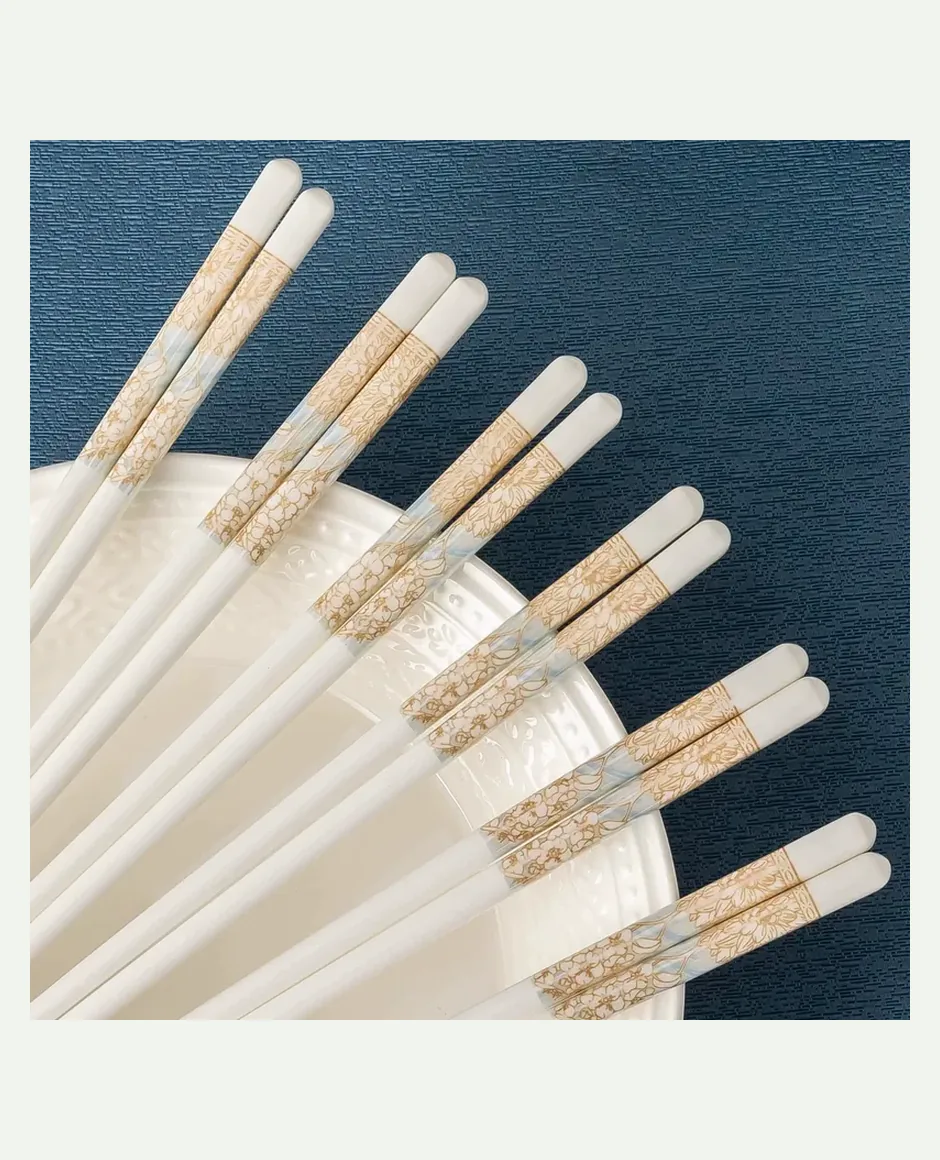
AQL pre-shipment inspection covers glaze durability, chip resistance and food-contact safety, with SGS testing available on request.
Read answer →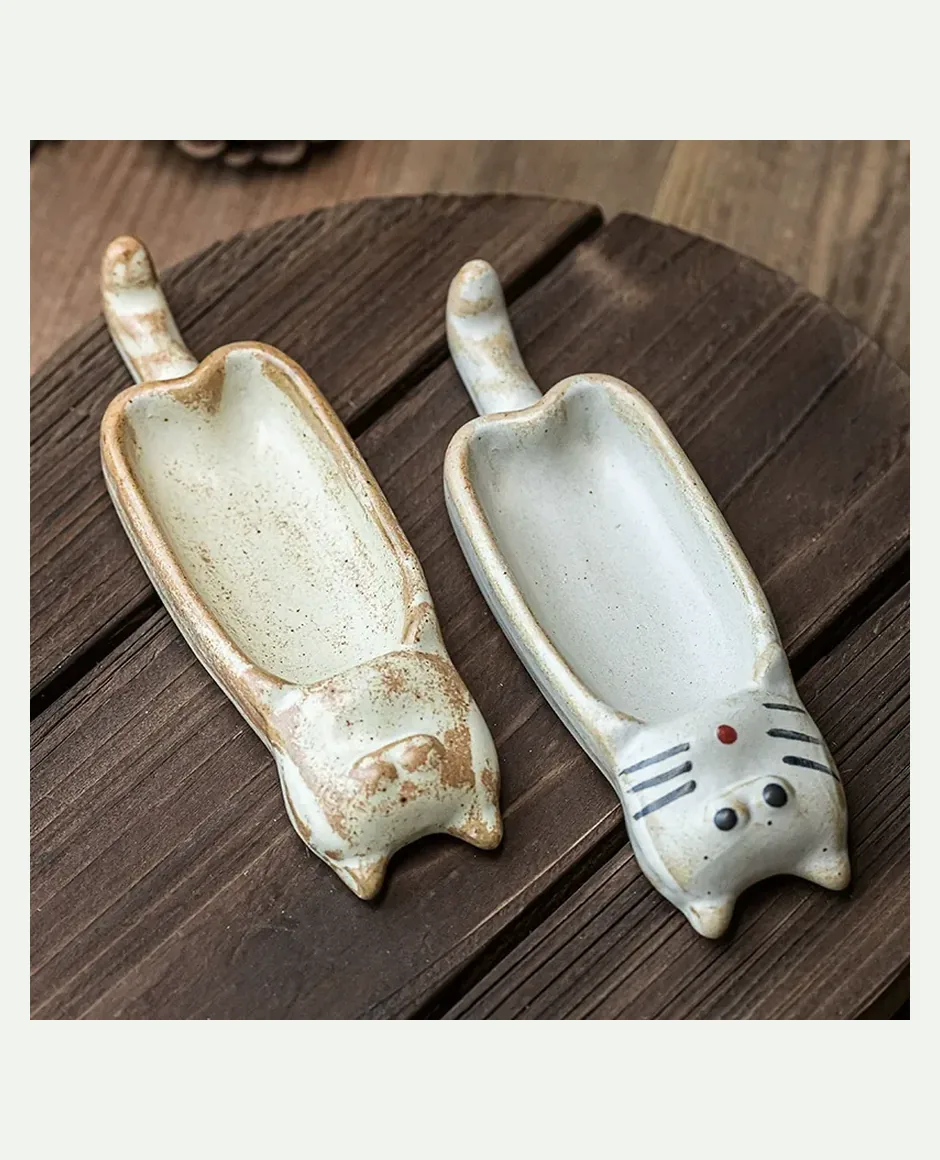
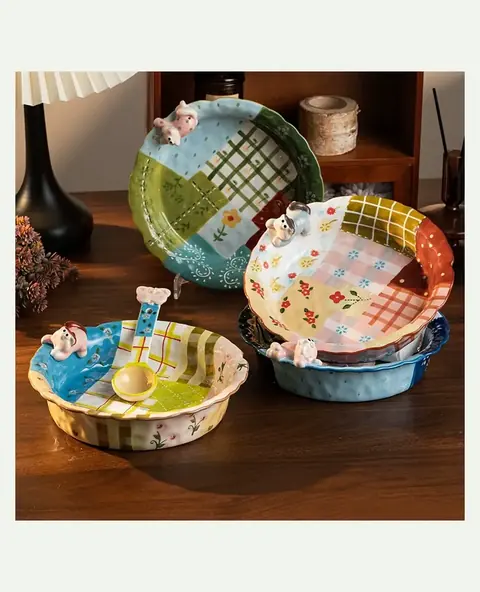
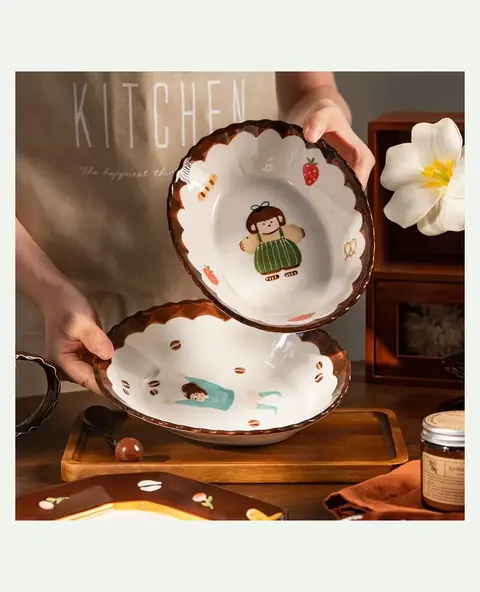
Stoneware serving dishes are made with food-grade glazes and pigments; FDA, LFGB and SGS food-contact testing can be arranged on request.
Read answer →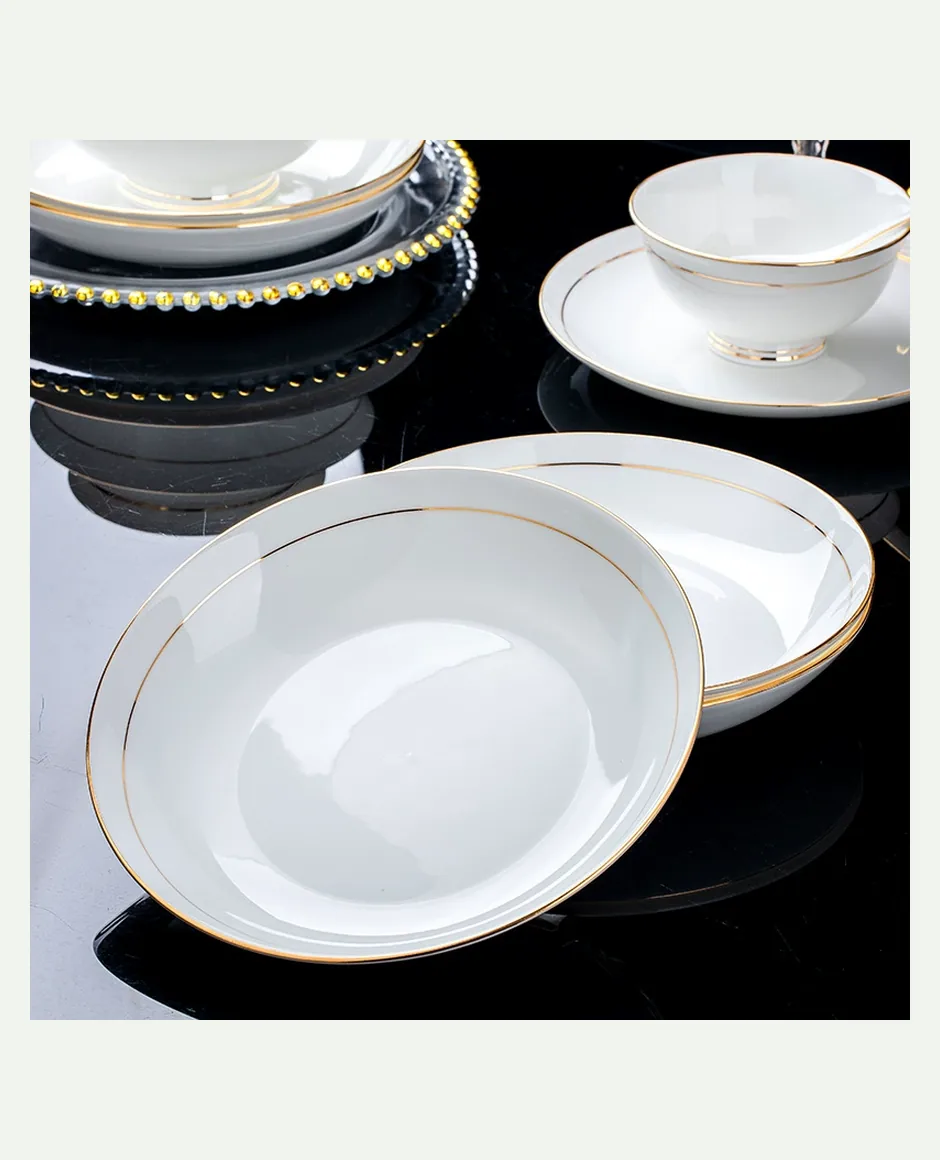
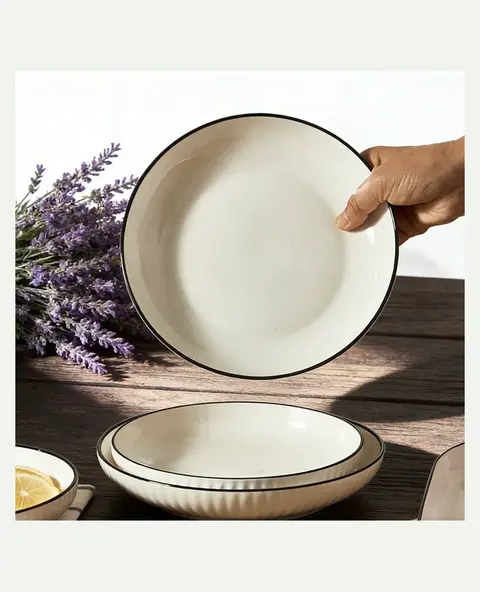
Plates are checked under AQL pre-shipment inspection, with FDA, LFGB and SGS food-contact testing available on request.
Read answer →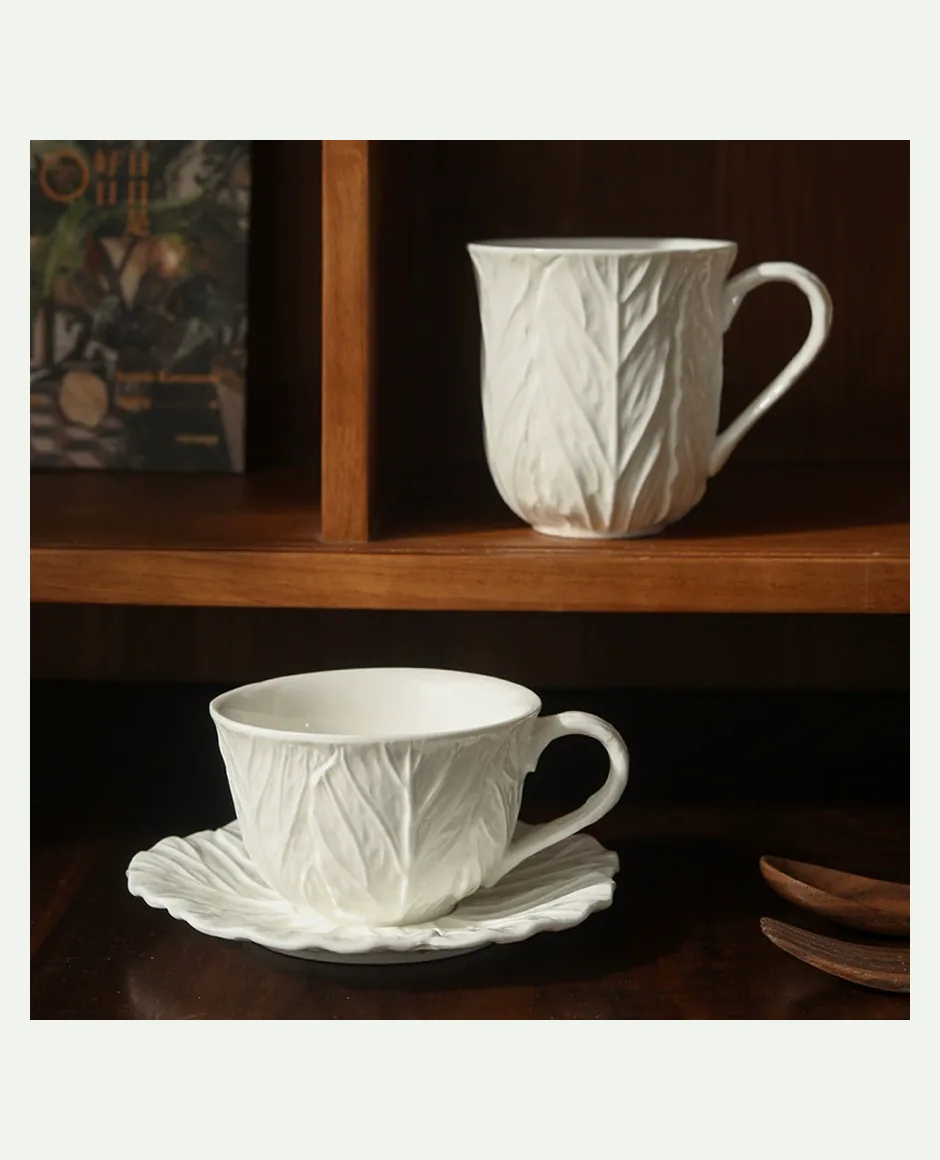
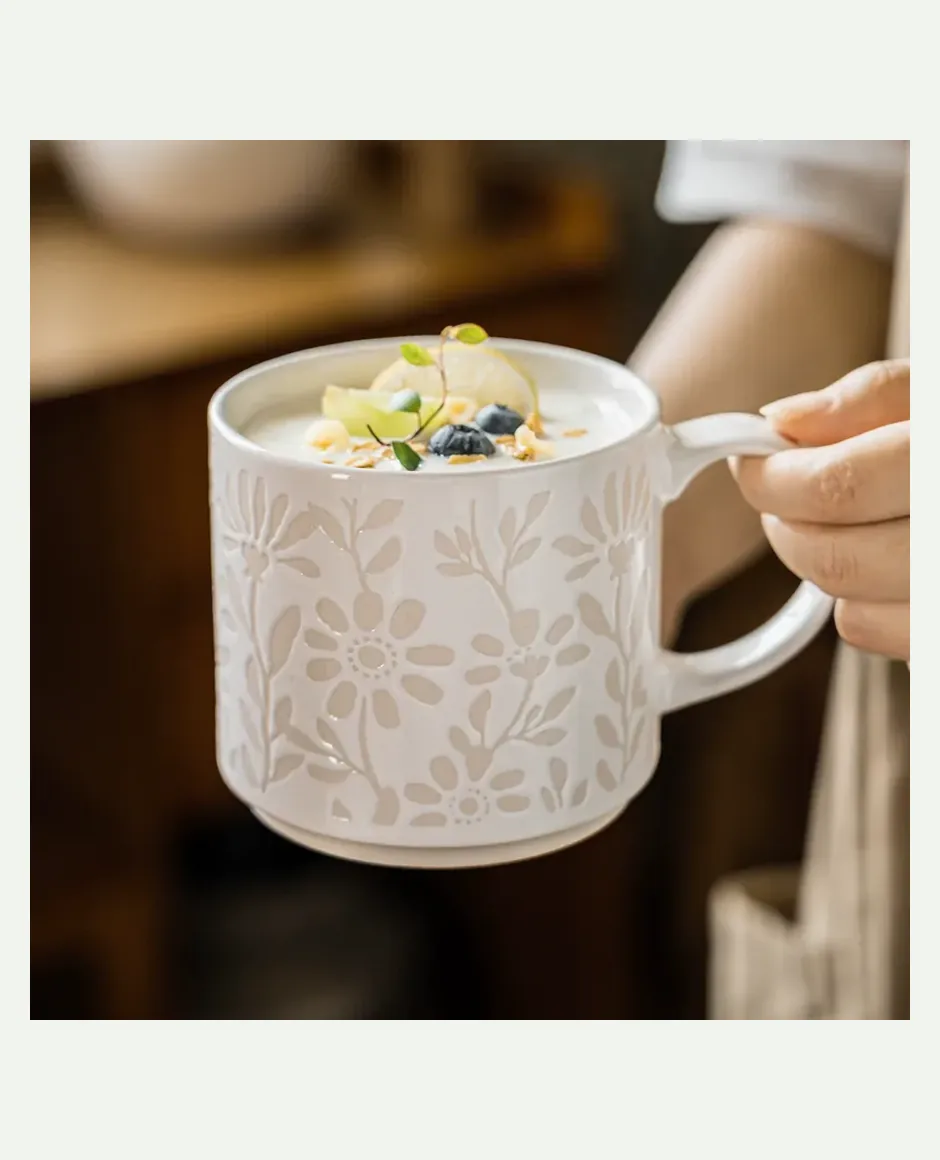
Coffee cups use lead- and cadmium-free glazes, with FDA, LFGB and SGS food-contact testing available on request for your order.
Read answer →Tell us the product, quantity and destination — we'll reply with pricing and lead time within one business day.
Request a Quote