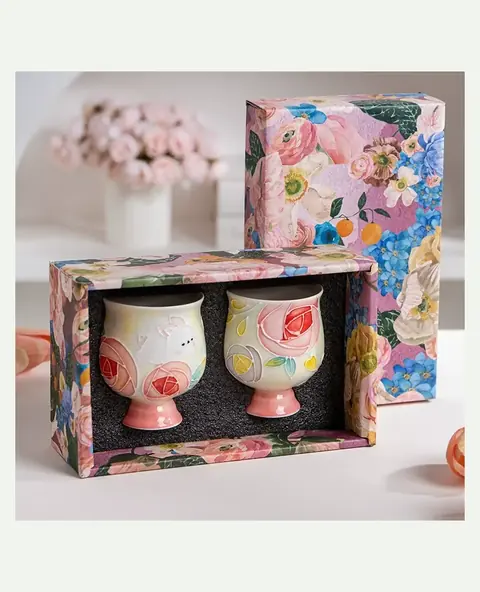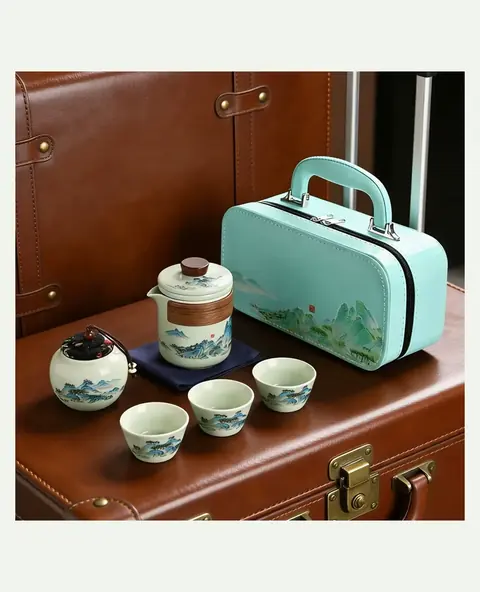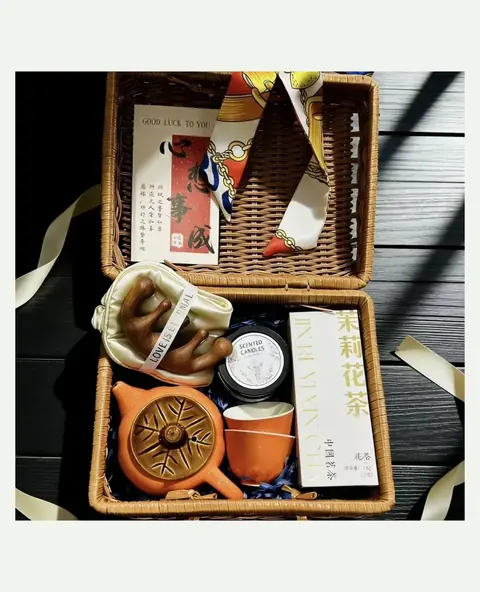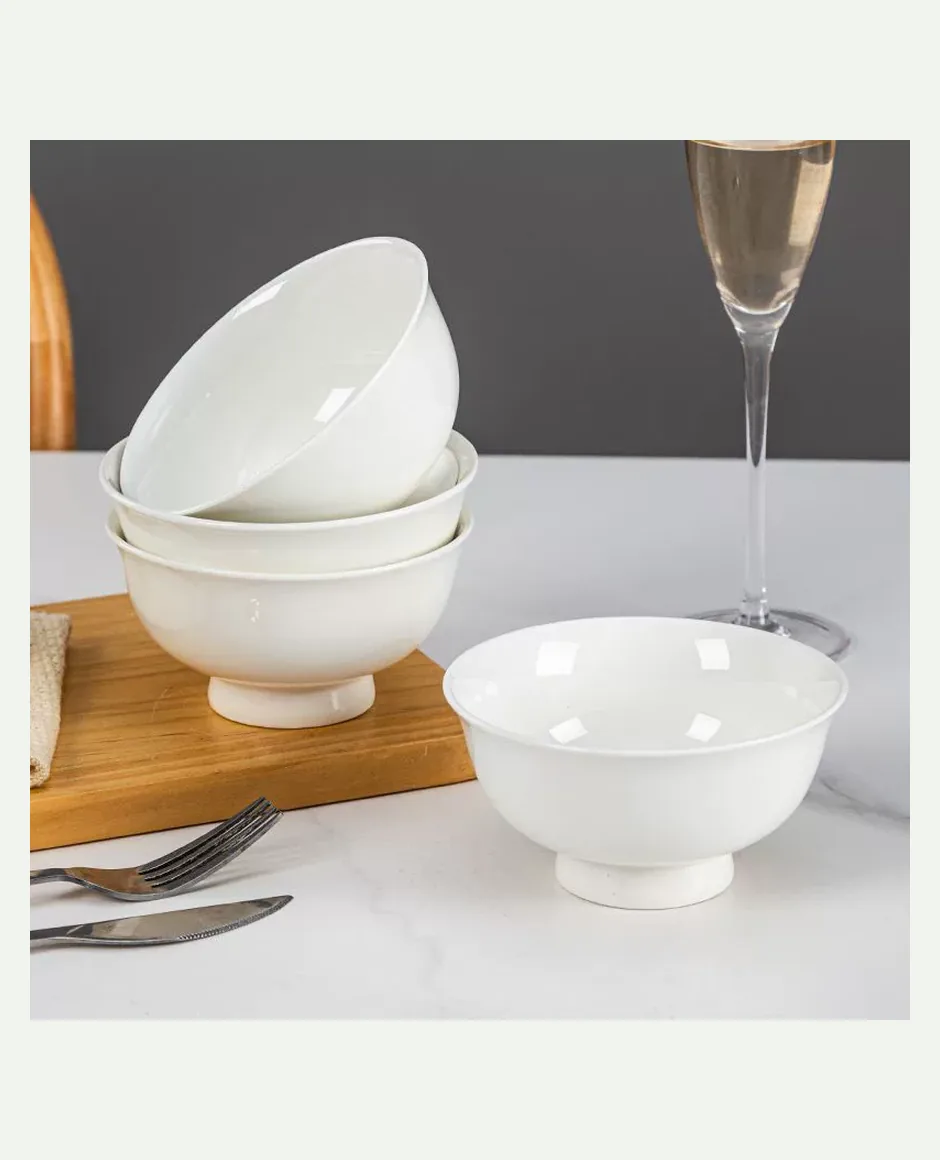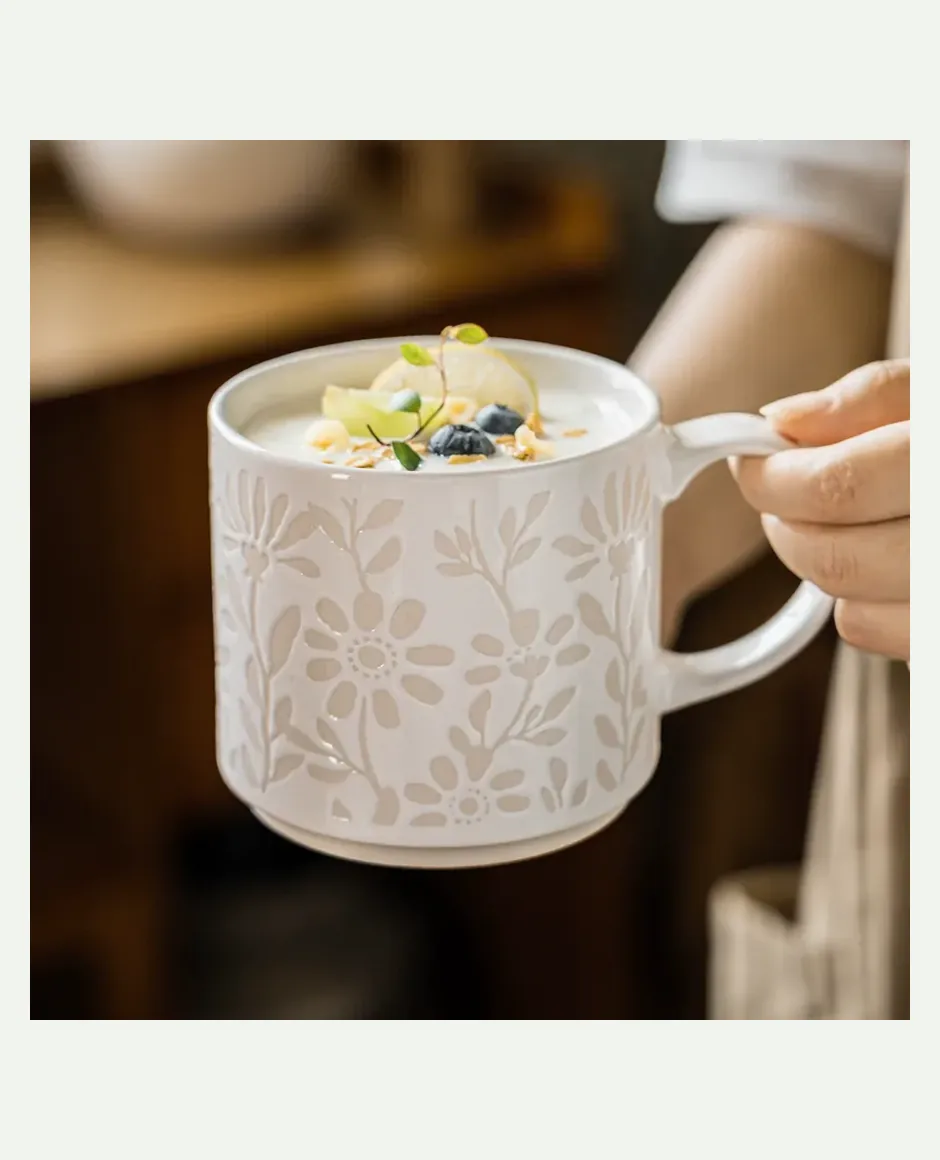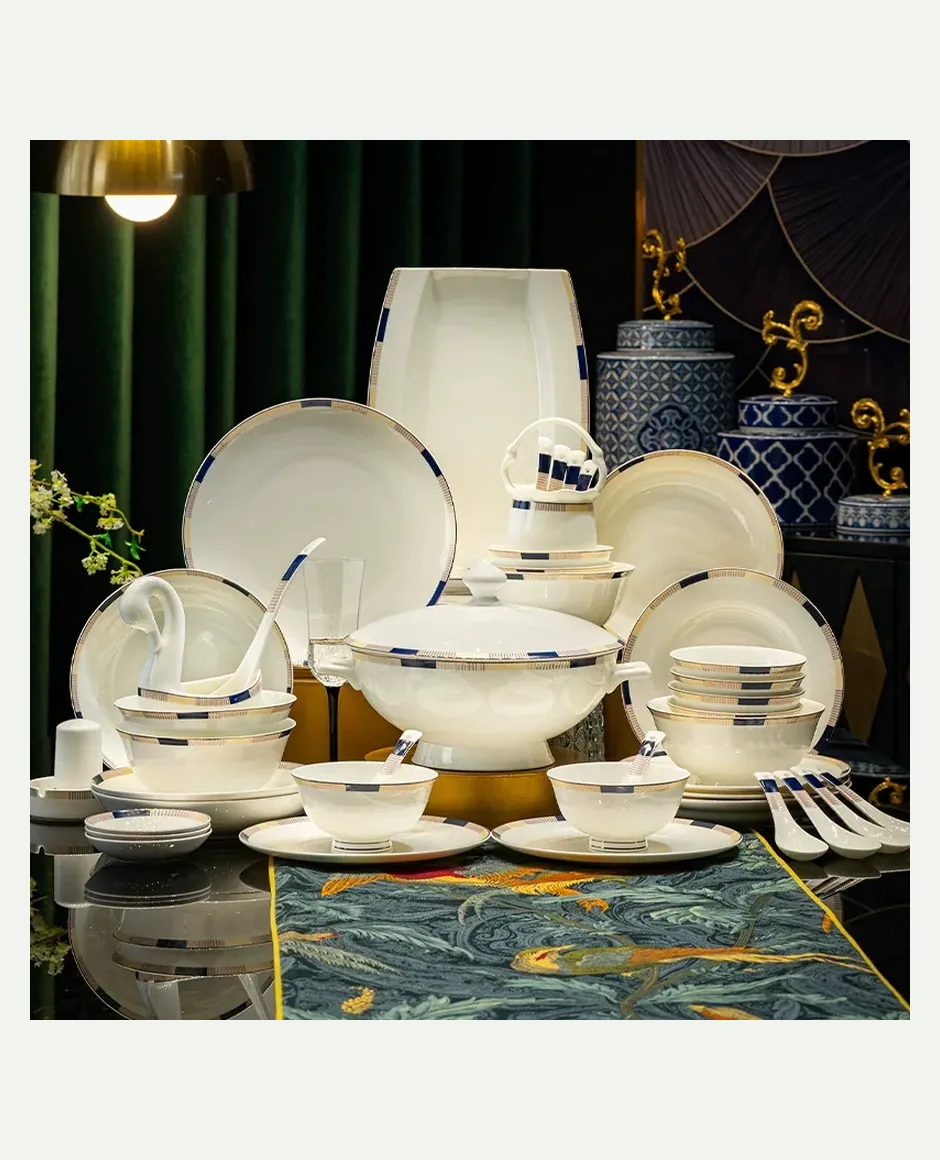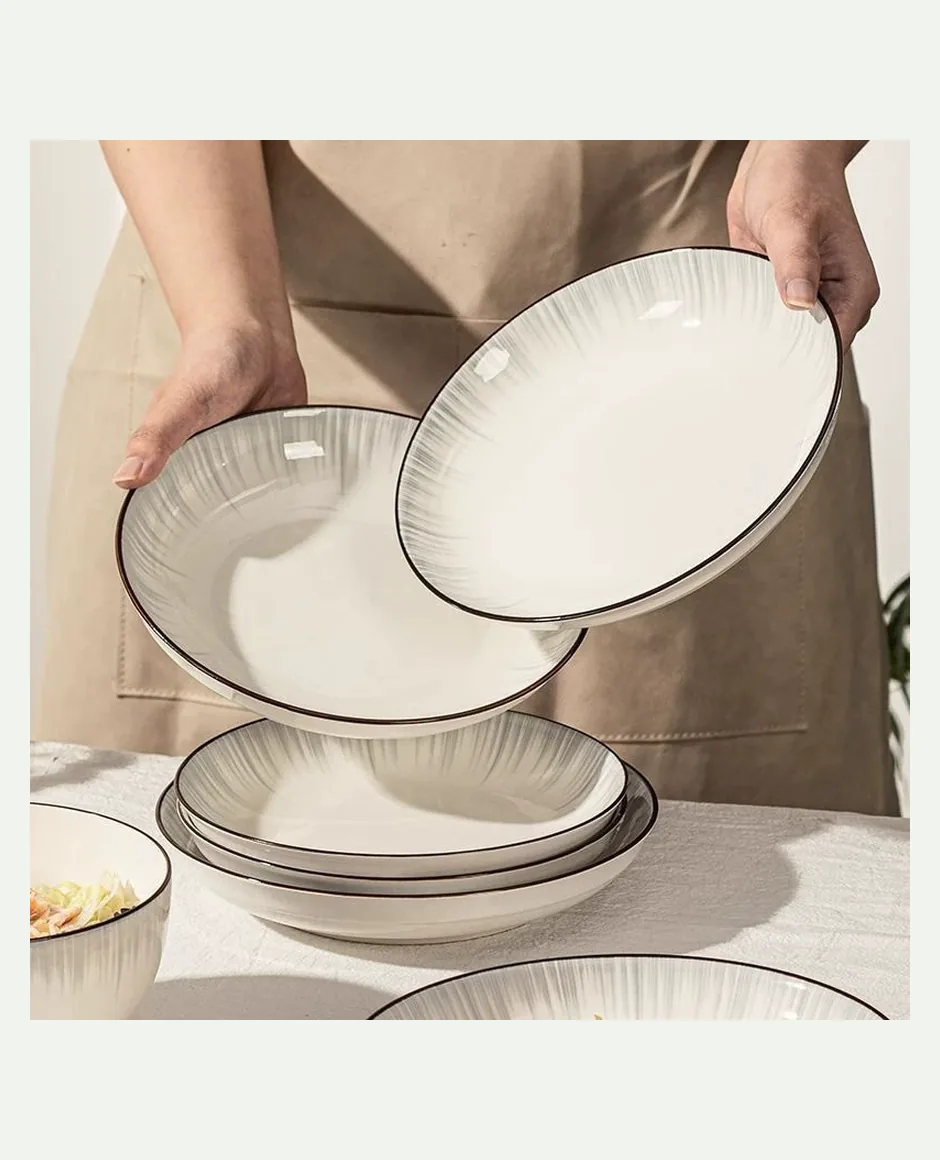
A practical walkthrough of minimum order quantities, the cost drivers behind ceramic tableware pricing, and how to build a realistic landed cost before you commit.
Minimum Order Quantity is the smallest order a supplier will accept for a given item. For ceramic tableware, that number depends on the factory and how complex the product is. Some lines have high minimums because setting up molds and glazes is expensive; others are far more flexible, which matters if you are a small retailer, a distributor testing a new market, or a startup building a first collection.
Ask about MOQ separately for stock items and for customized items, because they are rarely the same. A stock SKU with no decoration changes is usually the easiest entry point. Adding your own logo, decal or packaging typically pushes the minimum higher, since the factory has to prepare a dedicated production run.
Our own MOQ is one piece per SKU, and every SKU carries a single USD unit price. That structure lets you start small, validate demand, and scale up once a style proves itself. It also makes quoting simpler, because you are not juggling tiered prices for the same item.
Once you know the MOQ, the next question is why one plate costs more than another. Four factors do most of the work.
Material. Bone china sits at the top of the price range, followed by porcelain, then stoneware. New bone china falls between bone china and porcelain. The material affects not only raw cost but also firing, handling and breakage rates.
Size and shape. Larger pieces use more clay and more kiln space. Complex shapes, deep profiles and tight tolerances take more labor and more rejects, and that shows up in the price.
Decoration. Hand-painted work and intricate decals cost more than simple underglaze patterns. Custom logos add a setup cost and usually a higher minimum.
Quantity. Larger runs spread setup costs across more units, so the per-piece price generally falls as volume rises.
Ask for a breakdown rather than a single number. A quote that separates material, decoration and packaging helps you see where you can trade cost against design.
Landed cost is the total you pay to get goods into your warehouse: factory price, freight, insurance, customs duties and any other fees along the way. The factory price is only the starting point.
The Incoterm you agree on decides who pays for what. Under FOB, you take over freight and insurance from the port of loading. Under DDP, the supplier covers everything through delivery to your door, which is simpler to manage but usually carries a higher headline price.
A simple example: if a plate is priced at USD 2.00 and you order 1,000 pieces, the goods cost USD 2,000. Add sea freight, insurance and your country's duty rate for ceramic tableware, and you arrive at the true per-unit cost. Run that calculation for every SKU before you set a retail price, and leave room for inspection, warehousing and returns.
Confirm the HS code with your broker. Ceramic tableware generally falls under HS 6911 and 6912, and the exact subheading affects your duty rate.
Sea freight is the economical choice for large orders but takes longer. Air freight is faster and more expensive, and for small, urgent orders it can still make sense if it protects a launch date.
Plan production around samples first. Samples are typically made in about 7-10 days. In-stock orders ship in 7-15 days, while custom orders take 20-35 days after sample approval. Build those windows into your calendar before you promise delivery to your own customers.
Then look at the costs that are easy to overlook. Standard export cartons are part of the normal packing, but special packaging, inserts or retail-ready boxes may carry an extra charge. Pre-shipment inspection under AQL adds a line item but protects you from surprises at the port. Returns and replacement costs deserve a place in your margin calculation too.
Food-contact testing is another item to budget for if your market requires it. FDA, LFGB and SGS food-contact testing can be arranged on request, and OEM or private label programs are available for buyers who want their own brand on the box.
Get every cost in writing, SKU by SKU, and compare suppliers on landed cost rather than factory price alone. That is the number that decides whether the order works.
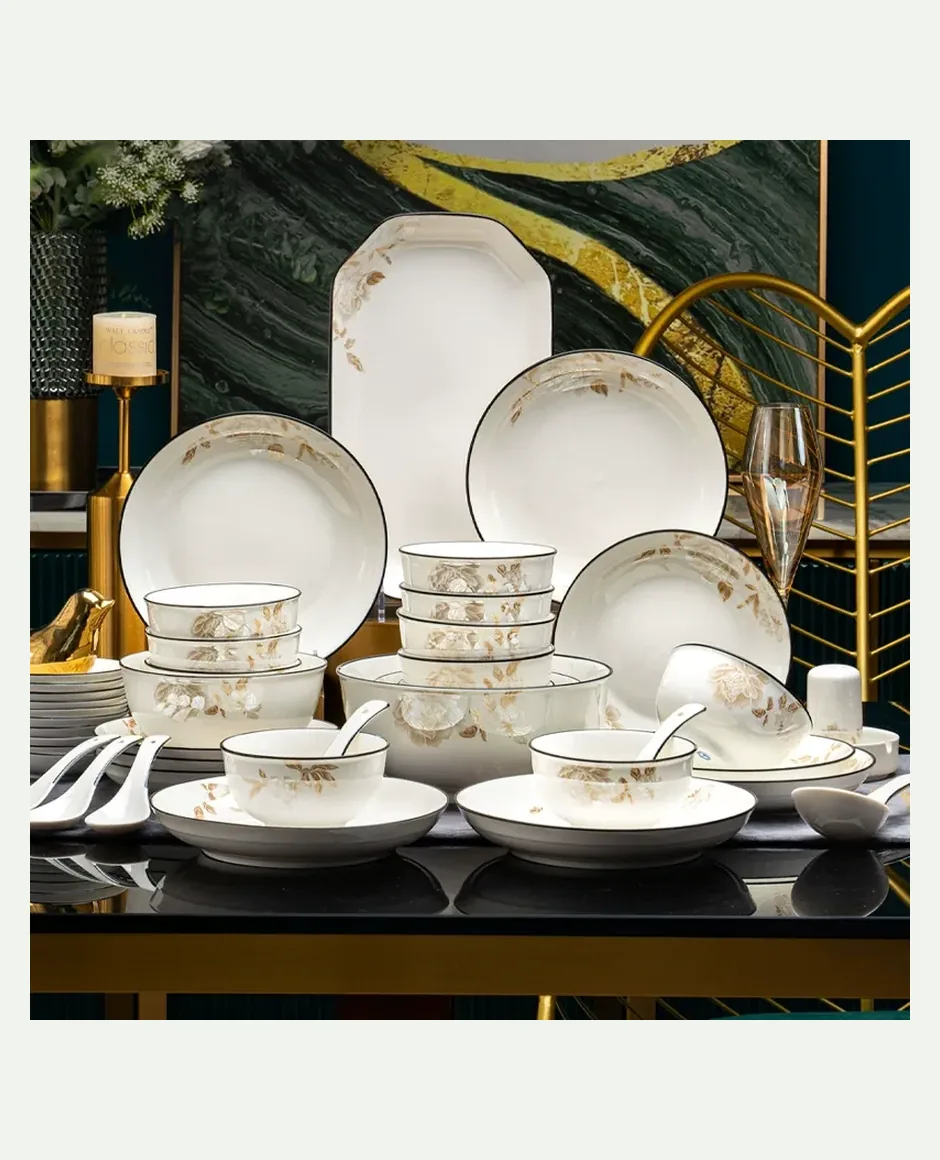
Send your SKUs, quantities and destination, and we can confirm unit pricing, sampling and shipping details for your ceramic tableware order.
Read answer →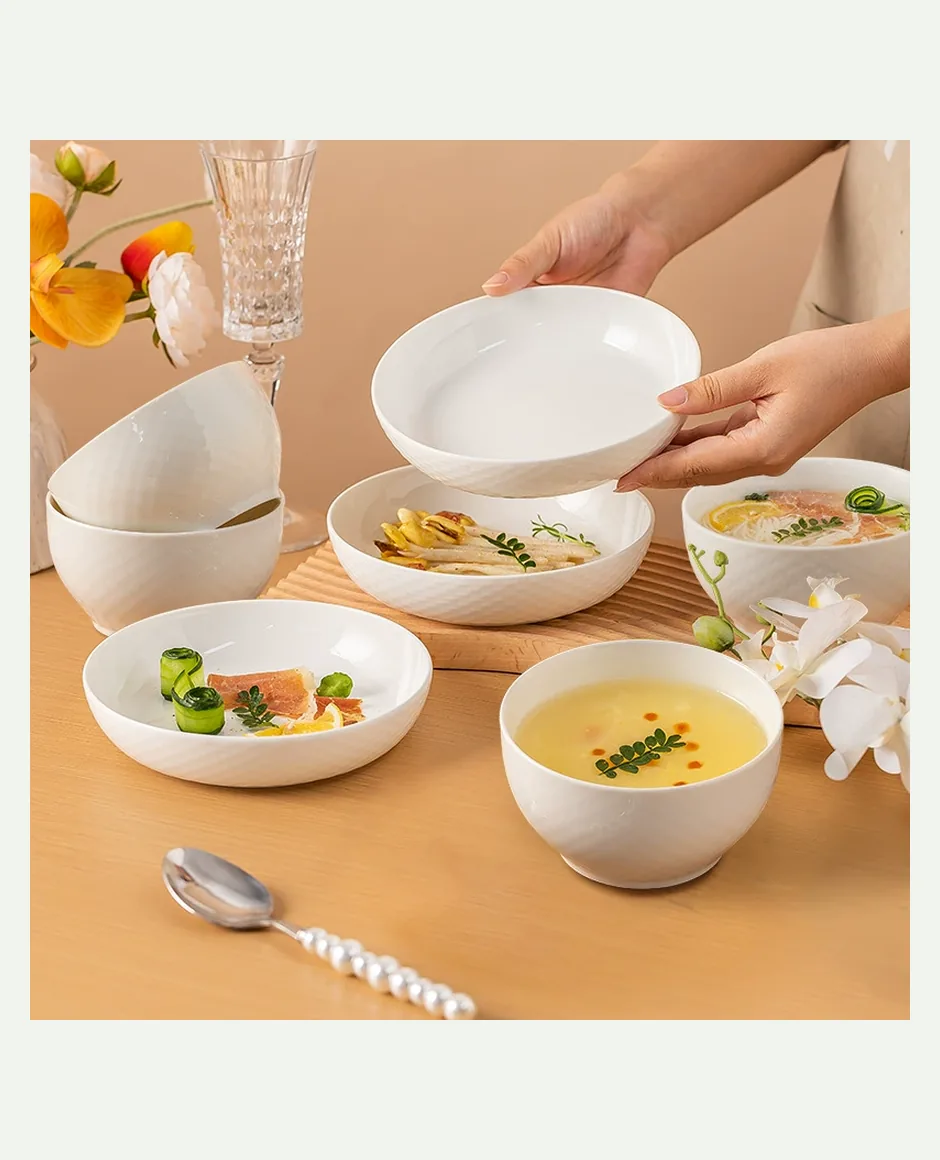
eBay sellers can start with a single piece—our MOQ is 1—then scale into porcelain, stoneware and bone china tableware as listings prove out.
Read answer →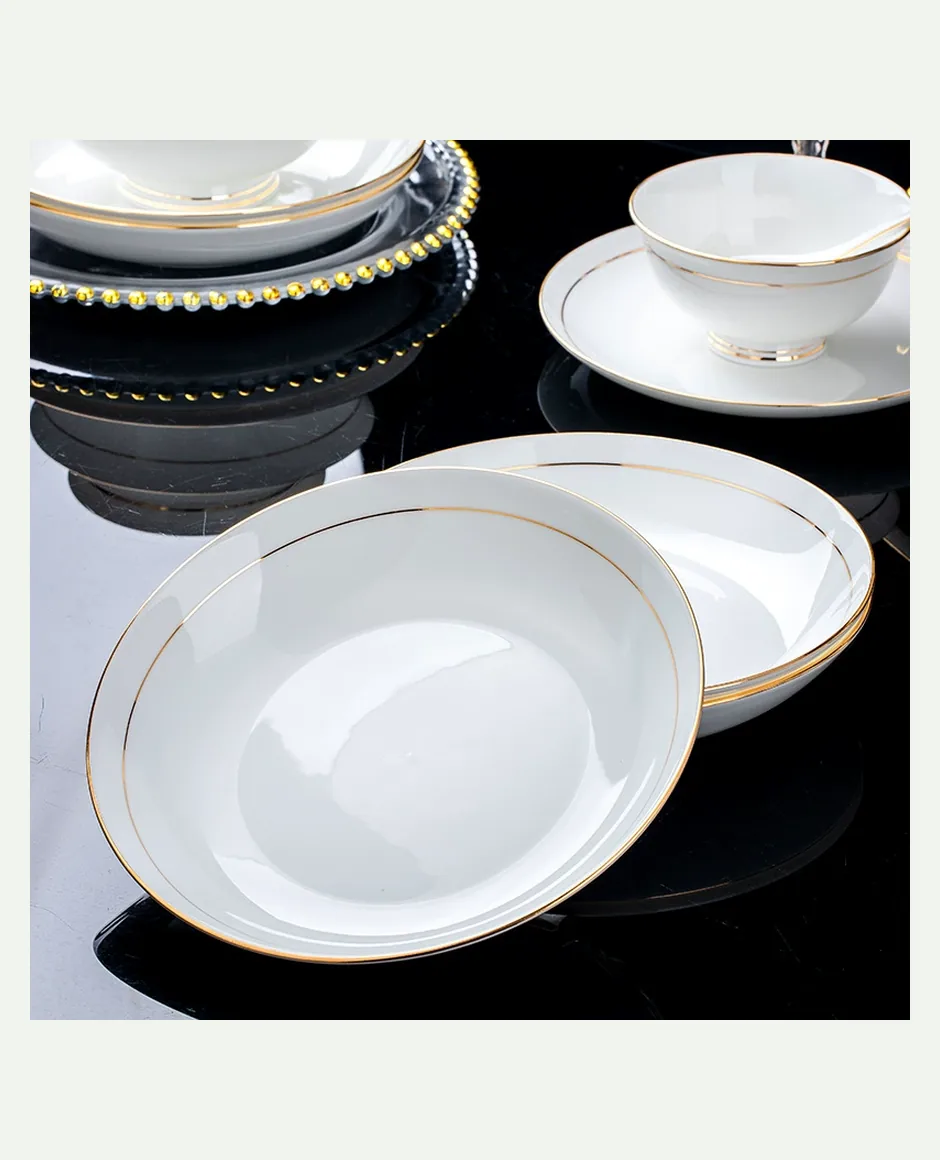
We quote one single USD unit price per SKU, so pricing stays clear as you compare styles and plan your order quantities.
Read answer →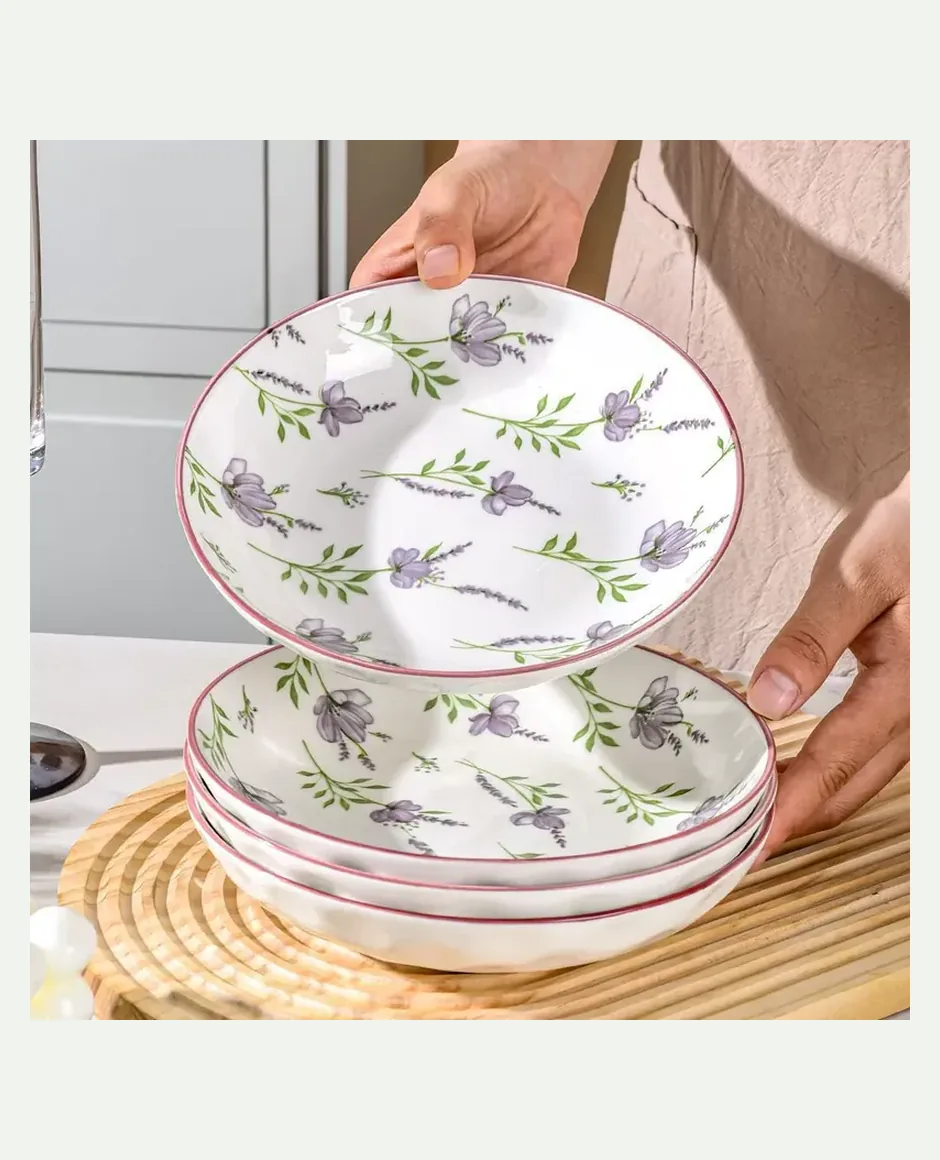
Custom logo plates carry a higher MOQ than stock designs, so test the market with a small run first, then scale into private label once demand is proven.
Read answer →Tell us the product, quantity and destination — we'll reply with pricing and lead time within one business day.
Request a Quote